
DEF (Diesel Exhaust Fluid) Delivery
- Home
- /
- DEF (Diesel Exhaust Fluid) Delivery
All Services
- Get started
- +17788099028
- info@fillmeupfuel.com
- 31313 Livingstone Ave, Abbotsford, BC V2T 4T2, Canada
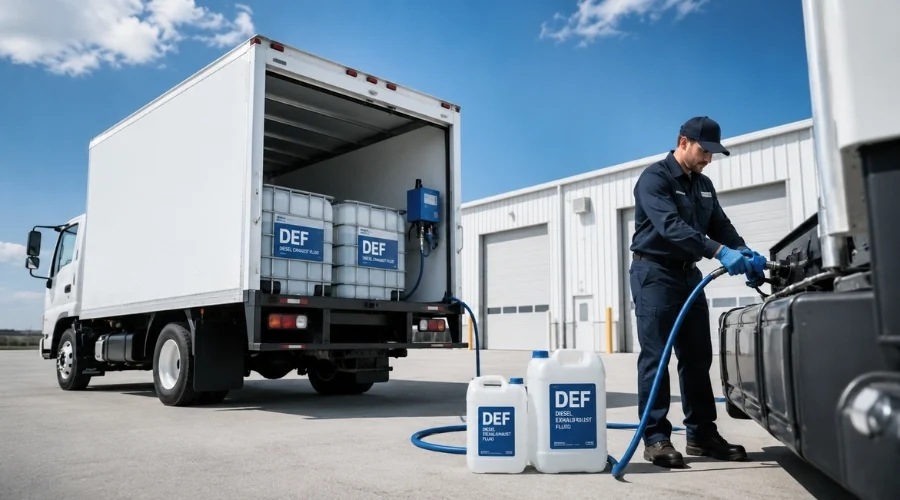
Keep Diesel Systems Ready
Running short on DEF can trigger warnings, reduce vehicle performance, and interrupt routes when your fleet is already under pressure. Our delivery service brings Diesel Exhaust Fluid directly to approved tanks, yards, shops, fleets, and equipment locations, helping you maintain emissions system performance, avoid preventable downtime, protect operating schedules, and keep compliant diesel assets ready for the work ahead.
Every delivery is coordinated around your DEF usage, storage capacity, refill frequency, site access, equipment count, operating hours, and the supply pressure created by changing routes or workloads.
Emergency Fuel We Handle
- Fleet DEF Delivery
- Bulk DEF Refilling
- Tote DEF Refills
- Drum DEF Supply
- Truck DEF Delivery
- Equipment DEF Refilling
- Yard DEF Supply
- Shop DEF Delivery
- Construction DEF Support
- Agricultural DEF Delivery
- Scheduled DEF Service
- Emergency DEF Supply
Reliable DEF supply helps drivers, operators, and fleet managers avoid warning lights, derates, rushed purchases, contaminated handling, and costly delays caused by low fluid levels.
Protect Emissions Performance
Modern diesel vehicles rely on DEF to support selective catalytic reduction systems and control emissions. Keeping the fluid available helps prevent warning alerts, reduced power, and unexpected service interruptions. Delivery arranged before levels fall gives your fleet a stronger chance of staying productive across demanding routes and long operating hours.
Keep DEF Clean
DEF must stay clean and uncontaminated to perform as intended. Our service focuses on supplying suitable fluid to approved storage and equipment points, helping you avoid handling mistakes, unsuitable containers, and poor transfer practices that could create expensive problems inside sensitive emissions systems.
Match Fleet Consumption
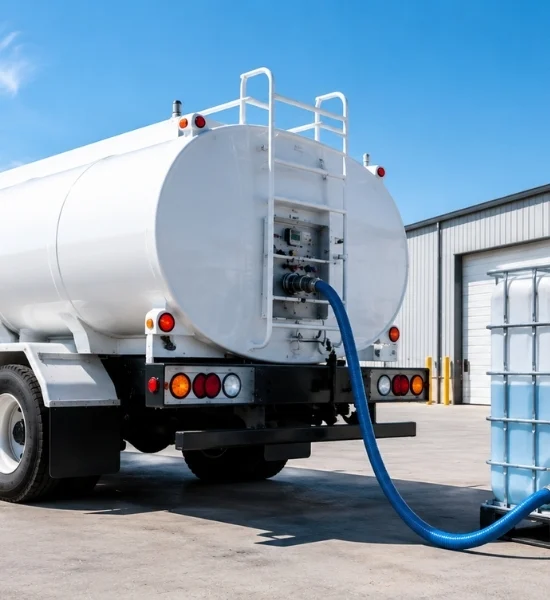
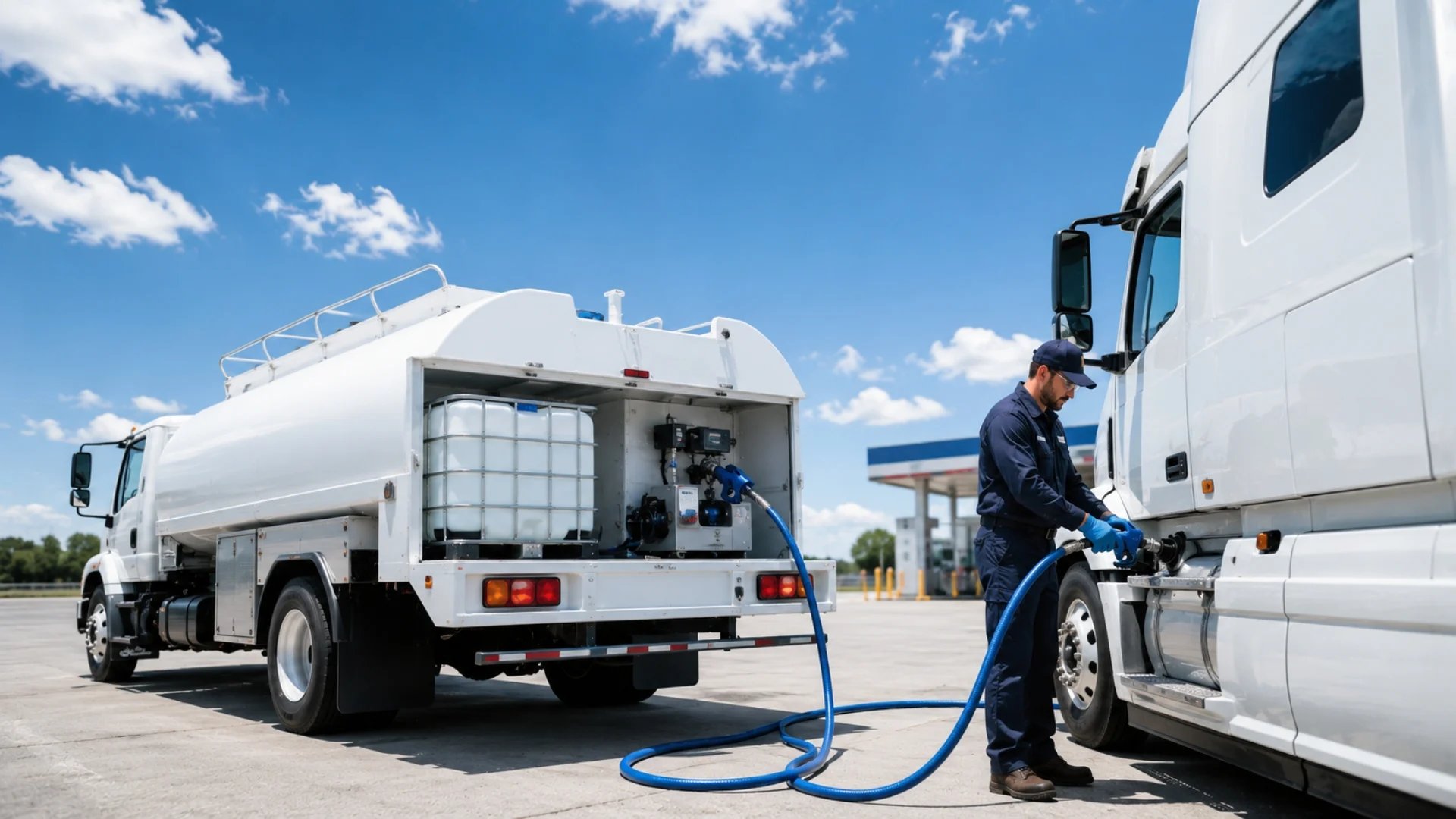
Fleet demand can vary by vehicle count, mileage, idling time, and workload. Delivery quantities are planned around actual consumption rather than guesswork, giving you a practical way to maintain enough DEF without repeatedly sending drivers away from routes or overfilling limited storage.
Refill Every Storage Point
Bulk tanks, totes, drums, and eligible equipment reservoirs may all require different refill arrangements. Access, capacity, placement, and receiving conditions are reviewed before delivery, helping each refill fit the storage setup and reducing confusion when several DEF points need attention during one visit.
Support Working Diesel Equipment
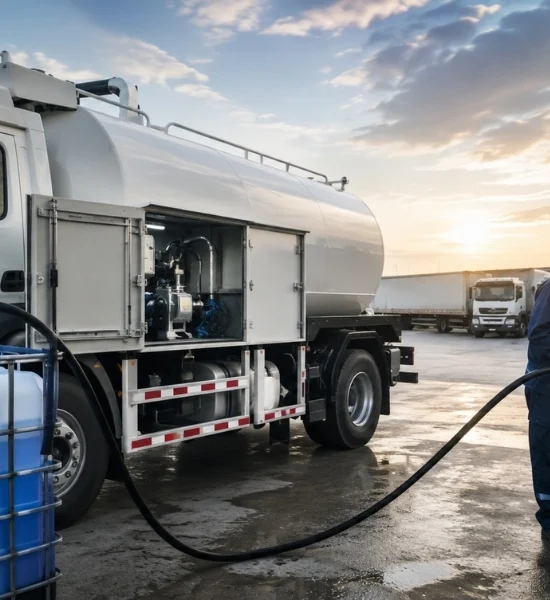
Construction machinery, agricultural equipment, transport trucks, and other diesel assets can consume DEF far from retail supply points. Bringing fluid directly to the operating site helps crews remain focused, reduces unnecessary travel, and keeps eligible equipment prepared for long shifts, remote work, and changing production demands.
Schedule Before Warnings
Scheduled DEF delivery removes the need to wait for dashboard warnings before taking action. Refill timing can be organized around normal usage, busy periods, and fleet growth, giving managers clearer supply control and helping prevent urgent shortages from affecting dispatch, maintenance planning, or customer commitments.
FAQ
DEF supports emission control systems in eligible diesel vehicles and equipment.
Yes, delivery can support eligible fleet vehicles, yards, and storage systems.
Yes, suitable totes can be refilled after capacity and condition are confirmed.
Yes, bulk quantities can be arranged around storage capacity and normal consumption.
Yes, recurring refills can be planned before supply reaches a critical level.
Yes, eligible diesel machinery can receive DEF at accessible operating sites.
Suitable handling and approved receiving equipment help prevent contamination during delivery.
Provide the container type, capacity, current level, access, and required quantity.
Yes, volumes can adjust as fleet size, mileage, or equipment usage changes.
Urgent delivery depends on quantity, safe access, supply, and service availability.