Fuel Storage Solutions
- Home
- /
- Fuel Storage Solutions
All Services
- Get started
- +17788099028
- info@fillmeupfuel.com
- 31313 Livingstone Ave, Abbotsford, BC V2T 4T2, Canada
Store Fuel With Confidence
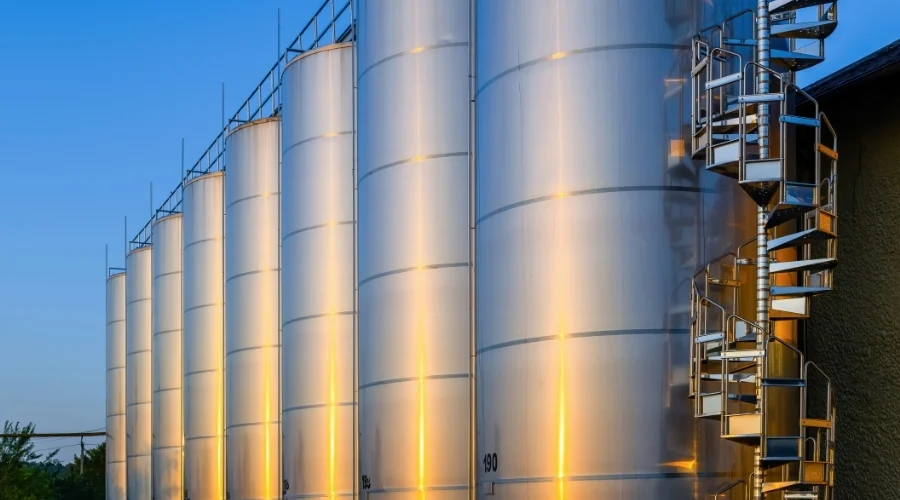
Fuel storage should give your operation more control, not create uncertainty around capacity, access, or future supply. Our solutions help you keep fuel available on site, reduce repeated collection trips, support equipment needs, and build a dependable reserve that remains ready when workloads increase or deliveries become harder to arrange.
Each setup is planned around fuel type, required volume, available space, usage patterns, refill access, storage duration, and the practical demands of your operation.
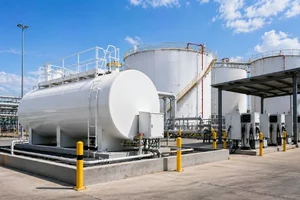
Emergency Fuel We Handle
- Onsite Tank Planning
- Fuel Capacity Selection
- Diesel Storage Support
- Gasoline Storage Support
- Temporary Storage Options
- Long Term Storage
- Farm Fuel Storage
- Commercial Storage Setup
- Construction Site Storage
- Generator Fuel Storage
- Scheduled Tank Refilling
- Storage Access Planning
A properly planned storage setup gives your team easier fuel access, stronger supply control, and a dependable reserve without forcing daily operations to rely on repeated offsite collection.
Fit Storage To Demand
Storage capacity should match how much fuel your operation actually uses. We help you choose a practical setup based on demand, available space, refill frequency, and operating conditions, giving you enough supply to stay productive without creating unnecessary excess or a storage arrangement that becomes difficult to manage.
Place Tanks With Purpose
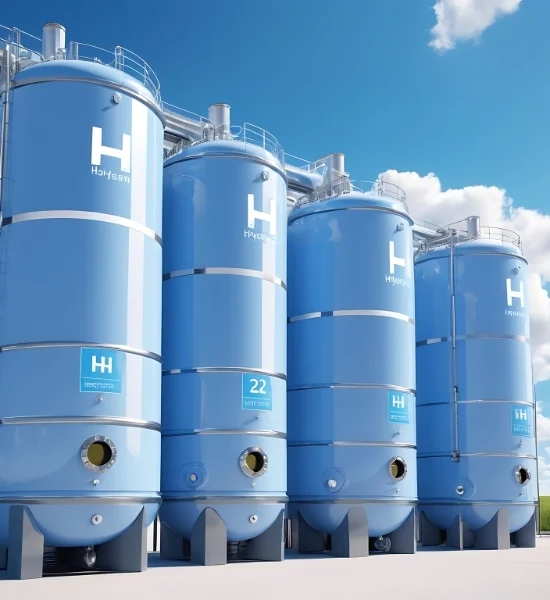
Fuel is most useful when people and equipment can access it without interrupting the entire site. Placement is planned around safe delivery routes, practical working areas, and daily movement, helping your team reach fuel more efficiently while keeping tanks away from unnecessary congestion and operational confusion.
Make Refills Easier
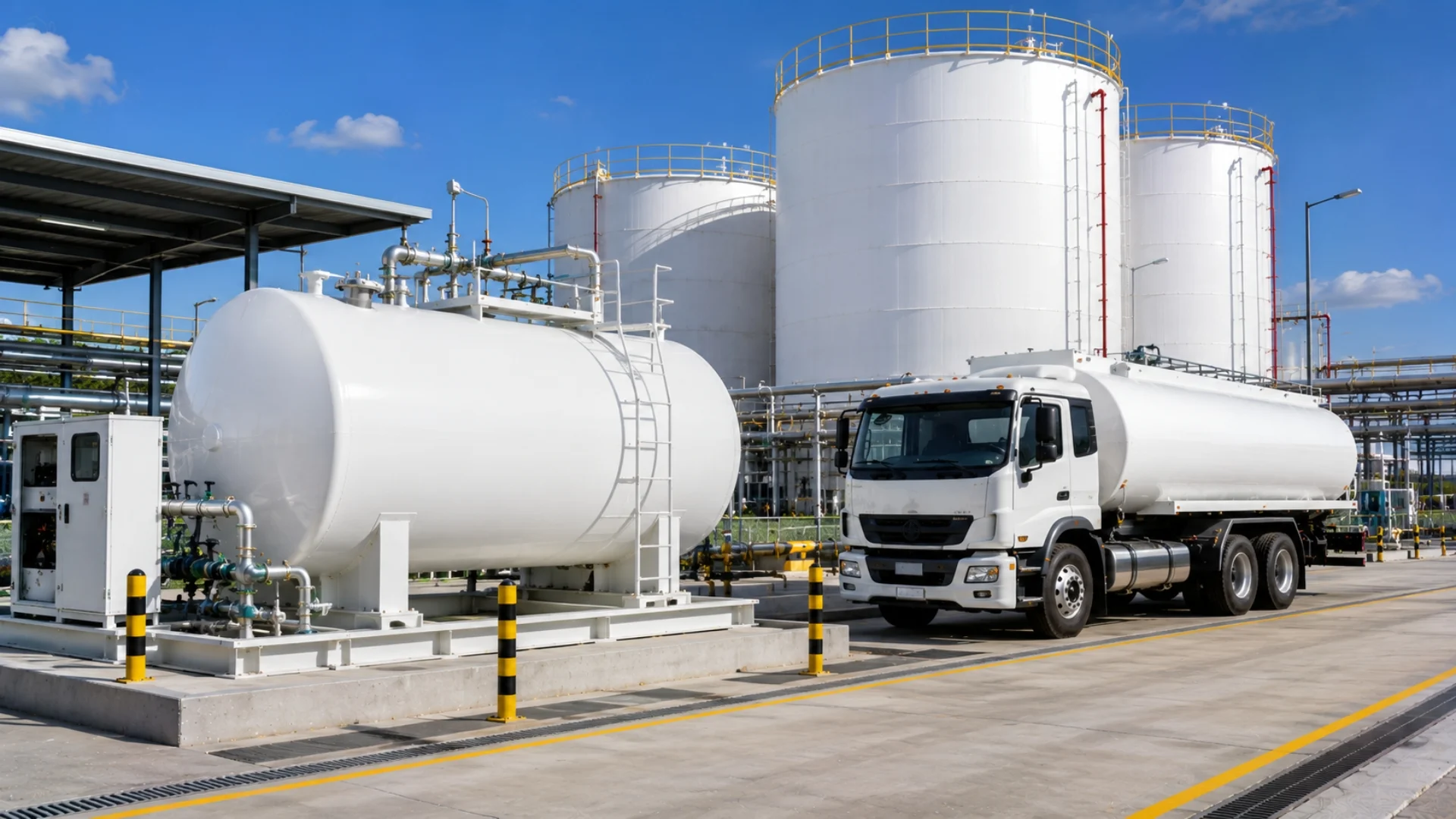
A storage solution must support regular refilling without creating delays every time fuel arrives. We consider tank position, delivery access, surrounding activity, and available turning space so future refills can be completed more smoothly and your supply remains easier to maintain throughout changing periods of demand.
Protect Fuel Compatibility
Different fuels, tanks, and operating environments require different planning. Our approach considers compatibility, intended use, storage duration, and site conditions before recommending a solution, helping you avoid unsuitable setups and giving your operation a more reliable way to keep essential fuel available where it is needed.
Adapt As Needs Change
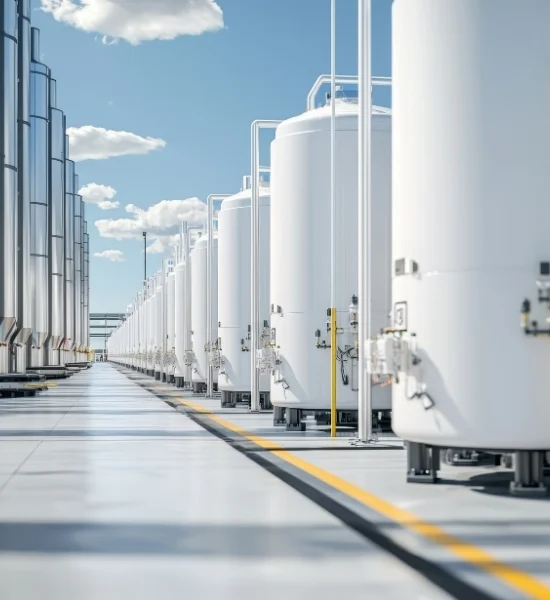
Temporary projects, seasonal workloads, and expanding operations often create fuel needs that change quickly. Flexible storage options give you room to adjust capacity, timing, and refill plans as demand rises or falls, helping your supply arrangement continue working even when the operation no longer looks the same.
Strengthen Supply Control
Better storage can reduce repeated fuel runs, scattered purchasing, and urgent last minute ordering. Keeping an organized reserve on site gives managers stronger visibility over supply and makes daily planning easier, allowing crews, vehicles, generators, and equipment to keep working with fewer interruptions caused by unavailable fuel.
FAQ
Options depend on your fuel type, required capacity, site conditions, and storage period.
Yes, capacity is planned around consumption, refill frequency, available space, and future demand.
Yes, temporary solutions can support projects, seasonal work, and short term operational needs.
Yes, suitable storage arrangements can be planned for diesel fuel and eligible equipment.
Yes, gasoline storage options depend on tank suitability, intended use, and site requirements.
Yes, placement considers access, working space, delivery routes, and surrounding site activity.
Yes, recurring tank refills can be arranged around capacity and normal fuel consumption.
Yes, storage can help maintain a dependable fuel reserve for eligible generator systems.
Yes, the setup can be reviewed when usage, equipment, projects, or operating needs change.
Share your fuel type, volume needs, available space, usage pattern, and storage duration.